
What Keeps Integrators Up at Night This Halloween?
This Spooky Season, while most people are haunted by ghosts and goblins, system integrators (SIs) face fears of a different kind. The real-life horrors that lurk in telecom rooms, crawl spaces, and code inspections. We work alongside these SIs every day to bring public safety and commercial cellular systems to life, translating complex RF designs into reliable coverage. Still, even the best have a few things that keep them up at night…
The Monster In Your (Telecom) Closet
Nothing sends a chill down an SI’s spine like opening a telecom closet to find a web of unorganized and thick cables. This is a result of running separate public safety and commercial systems, which doubles the cabling, enclosures, and headaches for these integrators, creating messy, cluttered installs that can come back to haunt future maintenance.
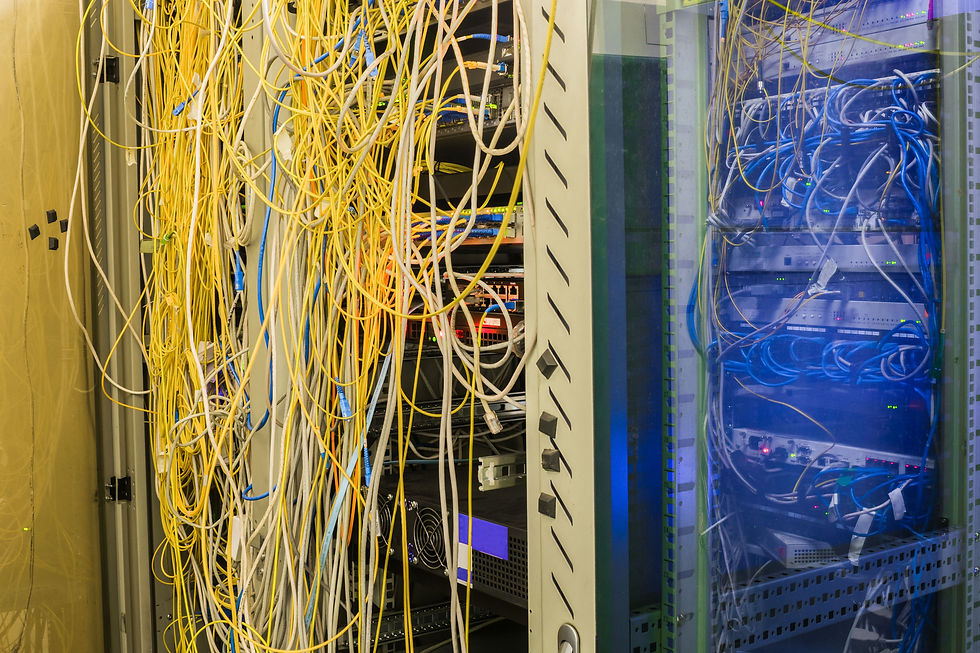
How to Face this Fear: Authorities having jurisdiction (AHJs) need to allow for unified public networks that effectively address this issue. By combining ERCES and DAS within shared infrastructure, integrators can banish cable chaos and deliver sleek, scalable solutions.
The Case of the Vanishing Rack Space
Over time, systems inevitably must be upgraded. It’s the reality of advancing technology and the need for increased connectivity. But the horrors persist when the racks are packed to the brim. Over the years, ad hoc add-ons, mismatched gear, unplanned power draws, and inefficient layouts can fill every inch of space, especially in buildings that initially deployed minimal coverage and later needed expansion due to increased demand, building code changes, or tenant expectations, leaving no room for growth.
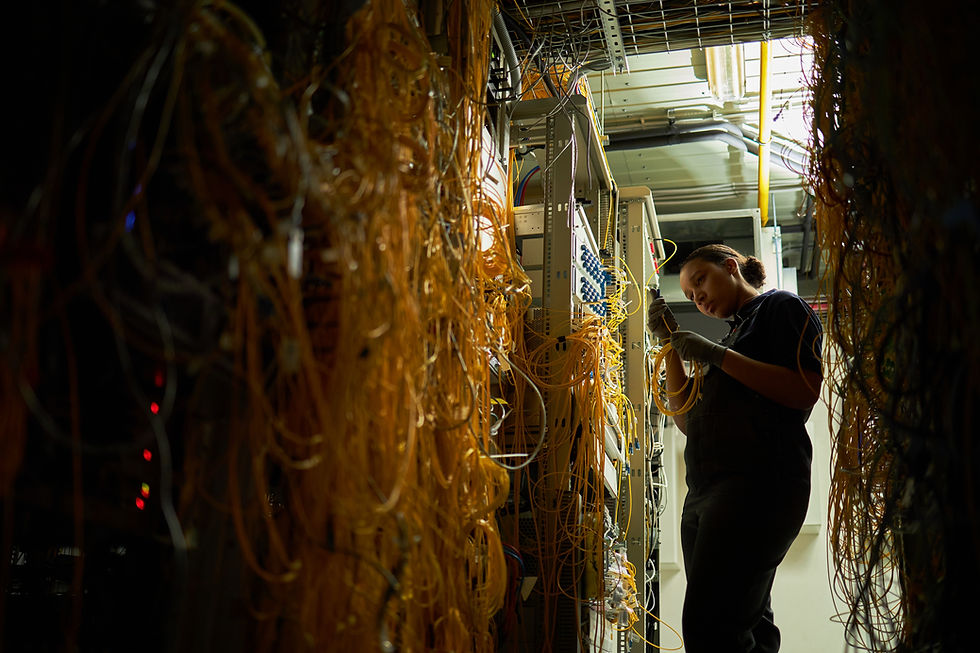
How to Face this Fear: Original equipment manufacturers (OEMs) need to design components such as compact digital repeaters, high-density remote units, and stackable modules with more inputs that allow SIs to add or reconfigure coverage zones without re-architecting the entire DAS head-end. For SIs, these smaller, stackable units preserve precious rack real estate, and keep airflow (and sanity) intact.
The Curse of the Alarm
When it comes to public safety systems, SIs must meet strict alarm requirements. While the code outlines which alarms must be monitored, it rarely provides practical guidance on how to configure the wiring, assign labels, or interface the system with third-party alarm boxes or building automation systems. This lack of standardization leads to confusion, delays during inspections, and sometimes failed AHJ sign-offs. Unfortunately, it doesn't stop there. The lack of standardization also applies to remote monitoring for ERCES systems, resulting in many building owners skipping these monitoring packages to cut costs; a decision that can haunt them and SIs later as they are summoned to a site for a “critical alarm” that turns out to be a false positive.
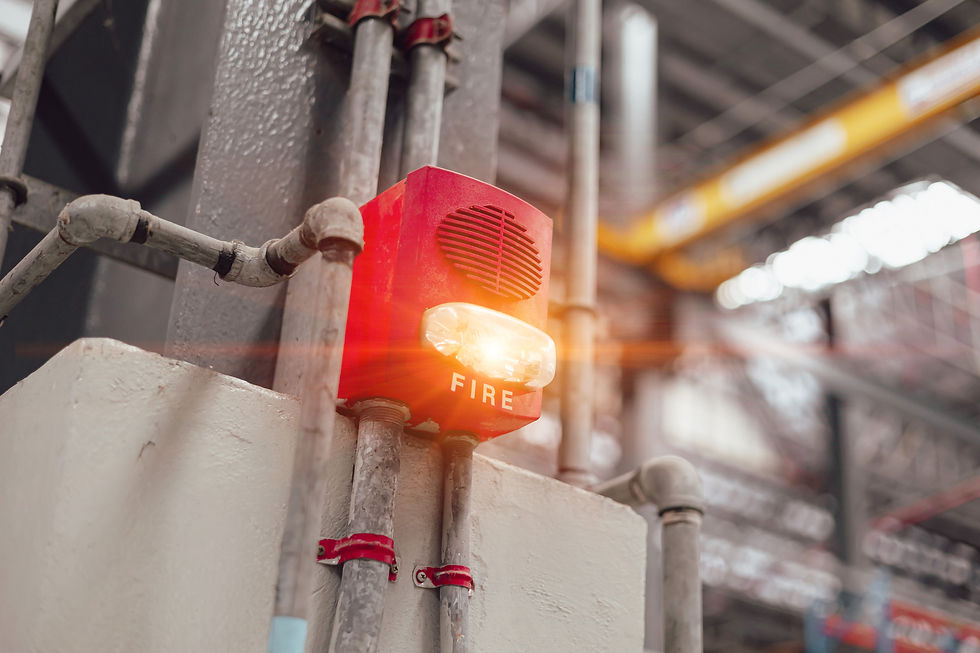
How to Face this Fear: OEMs can provide clearly labeled terminals, color-coded cables, and web-based configuration tools. AHJs can also assist by mandating embedded remote monitoring functionality, which adds secure, user-friendly communications between the equipment and the integrator’s network operations center to give integrators remote visibility into system health, meaning fewer false scares, faster response times, and no more chasing ghosts.
Facing the Fear Together
When OEMs design with integrators in mind, prioritizing simplicity, flexibility, and future-readiness, they take the fear out of in-building wireless. By addressing these common fears, we can make installations cleaner, commissioning faster, and the results more reliable for building owners, SIs, and first responders alike.
So this Halloween, let’s raise a (fiber-optic) goblet to the SIs who brave dark basements, tangled cables, and unpredictable alarms, keeping our buildings connected, safe, and ghost-free.